Water and Sewerage ..::: My Peru :::.. ..::: 
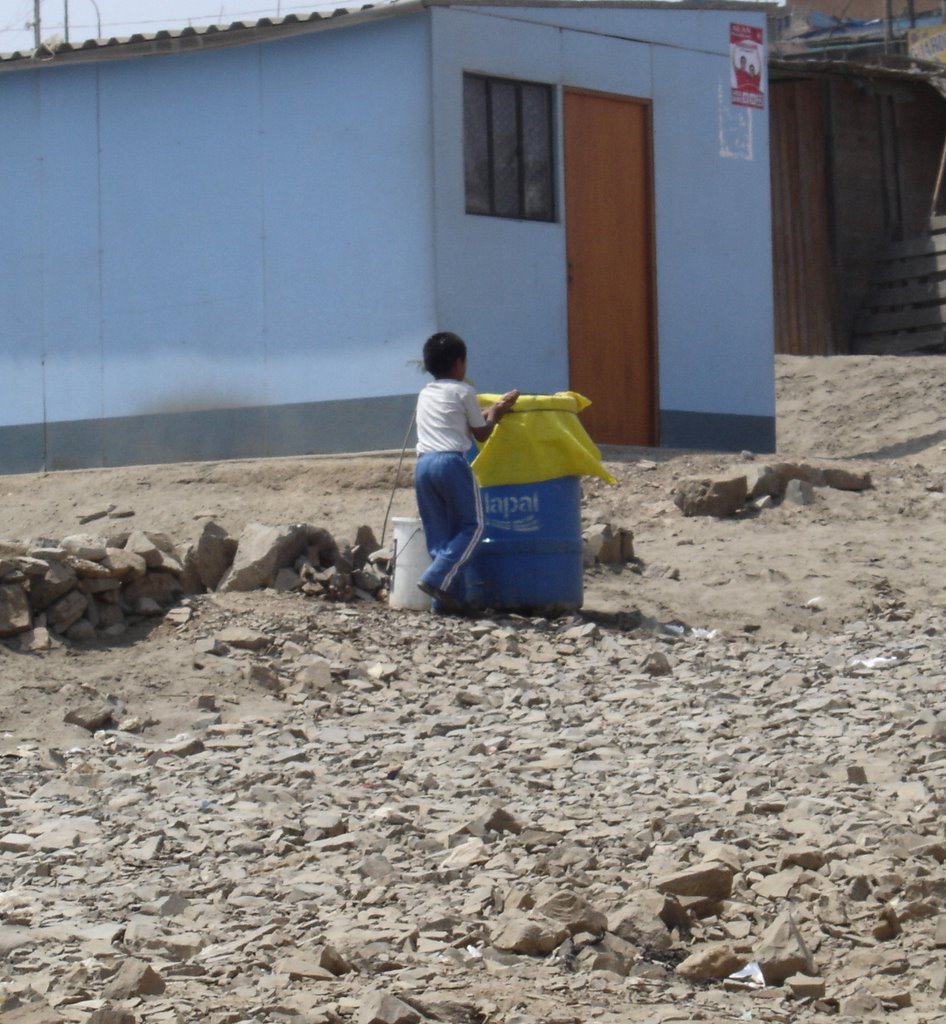
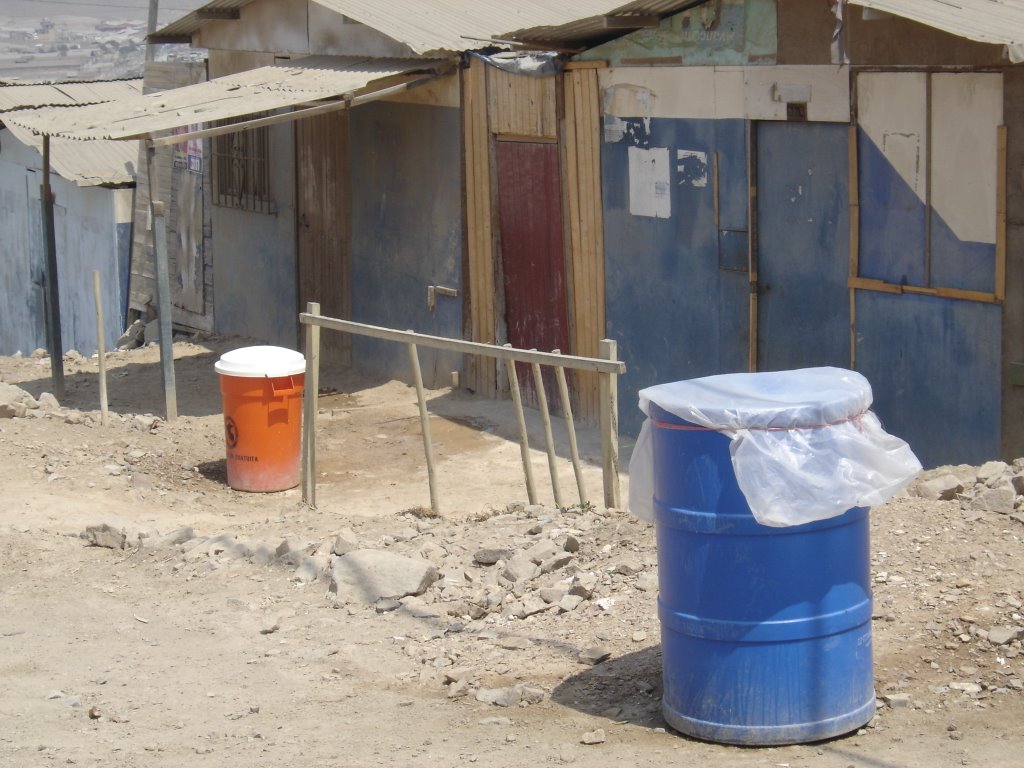
P areca incredible that in these times there are sectors of the population still lack basic services for their development. In the populous district of window this is a latent reality. For over 10 years that these people have to endure daily the consequences of not having water and sewage in their homes. Must fight the many diseases stomach, eye, skin infections - to name a few, "must tolerate rates contrast starkly with the reality. "We pay the most expensive water in Lima" some residents say, is that in my Peru, tanker trucks that run every day and they charge between S/.1.20 S/.2.50 fill their cylinders. Assuming that by housing only fill a tank (which is clearly insufficient), this would imply a cost of S /. 36 to S/.75 Dollars per month. It's amazing that a "slum" pay as much for water, while in other district that has water and sewer rates are lower for this service.
is unfortunate that almost 50% of people in my Peru does not have this basic and elementary. "For 13 years we are well, we protest but we will not ignore. It is possible that we have to pay to fill a tank S /. 2.00, I have relatives in Lima do not pay well and have water and sewer, "says a villager in the area. Lack
Provident
If we ask what is the root of this problem we will find many answers. One of them, but more important is the lack of "forward-looking." When they built the water and sewage networks in Lima and Callao, it was projected that in 20 years or more; window would be so crowded. However, most ironically is precisely the reason why there are no products for this service in these areas. Window is completely surrounded by hills, sandy, this populous district suffered an "explosion" so great that immigration today is one of the most populated areas of the Port of Callao. But this only solves why not implement water and sewage networks in many areas at the appropriate time window, does not resolve a question that many people have, why the authorities do not approve projects to invest NOW in the construction of these pipelines ? Why have spent more than 10 years without anyone doing anything about it?
One of the solutions by appropriate authorities were "momentarily" was the water supply by tankers, but leaving aside the high prices, is worrying to see that water is highly contaminated tanks, they often have worms, insects, grease, or even floating debris. "We have to boil the water twice because the water is very dirty and stop our children sick," said Edgar Cópez concerned, active resident of the area. While it is true that the water supply through tankers is a quick way to "alleviate" the problem of lack of water and sewage, its pollution is highly dangerous, policies that deal must take action on the matter for stop this situation.
En Mi Peru, however, there are many sectors if they have water and sewage networks, but these need upgrading, and at risk of collapse. "... This book also has to repowering existing networks, as having increased pressure can lead to burst some water and sewage networks," says Walter Vegazo Wall, Coordinator of the Roundtable for the Development of Mi Peru. It is because these products obsolete one of the orders is also changing the pipes, because although they have the water and sewer service, what would happen if a pipe bursts? Do not expect that the great tragedies happen to do something about it and these actions must be taken not only by SEDAPAL, but also by municipal and regional governments should coordinate closely to make this work.

Villa Emilia
"Last year it approved a project for laying water and sewage networks to benefit about 6 000 families, but now says Sedapal the Ministry of Economy and Finance has not been able to give the S/.40 million needed for the work. It is incongruous, "said Vegazo Wall. Is that these are bickering daily bread when addressing this issue. Villa Emilia with a population of over a thousand inhabitants, is one of the sectors that would benefit from this work, but will have to wait perhaps another year how long would this fight? "We marched, protested, but no one listens. Nobody does anything for us, "say the villagers
What the authorities do not seem to notice is that not only figures that talk, they are human beings must struggle every day without water. Water helps your development and that is so necessary for the body. If 20 years ago, the authorities could not see the future today should not make the same mistake. Must act to benefit the population at present, looking to the future and learning from past mistakes.